Source Anti Insect Aluminum Rv Door for Caravan, Motorhome, Trailer
Source anti insect aluminum rv door options for caravans, motorhomes, and travel trailers. Compare 30 listings featuring bolt fastening, acrylic or tempered glass, and custom sizes from China suppliers; compare the available evidence and request quotations based on your requirements.
Key considerations
Products List


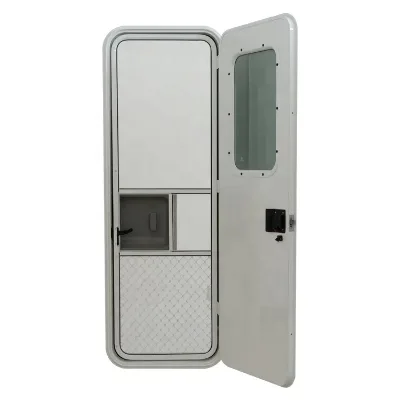
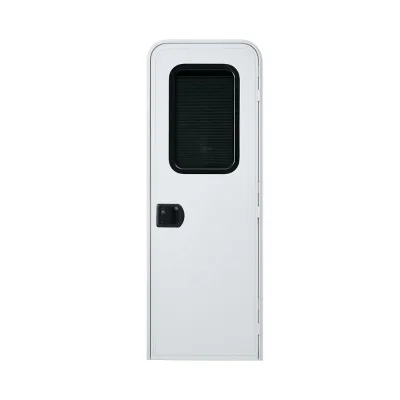
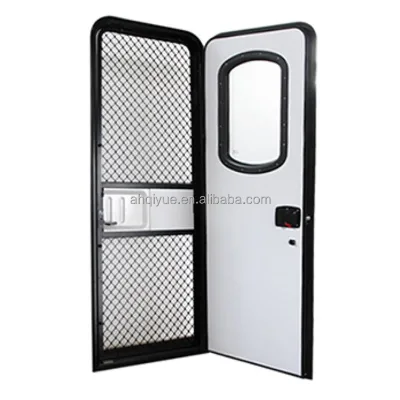
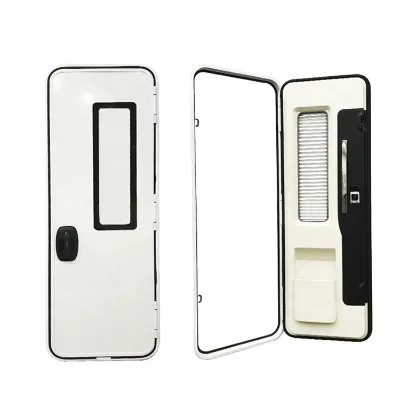


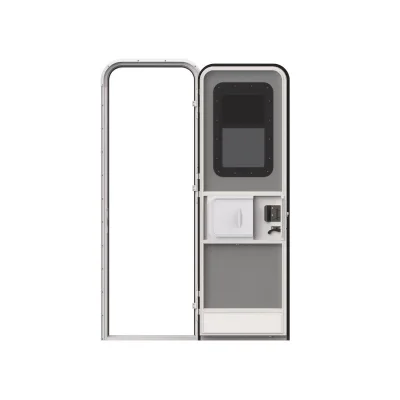
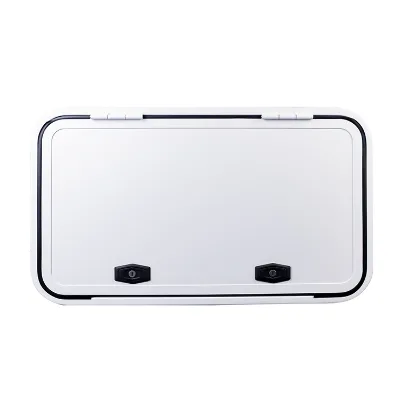
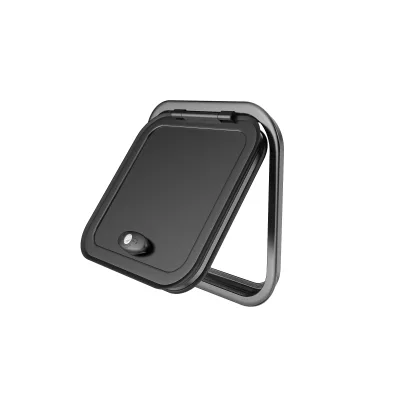
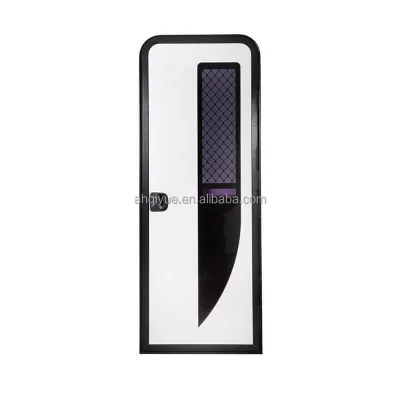
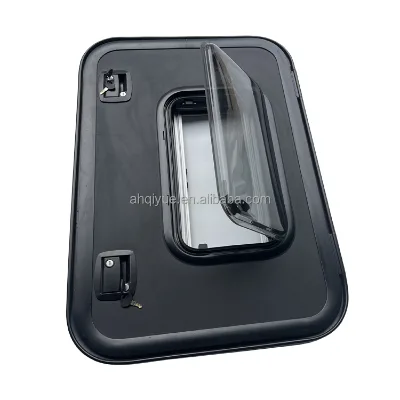
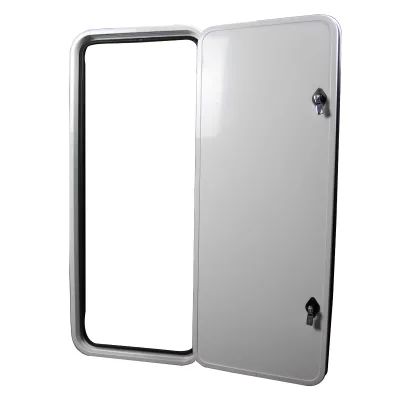
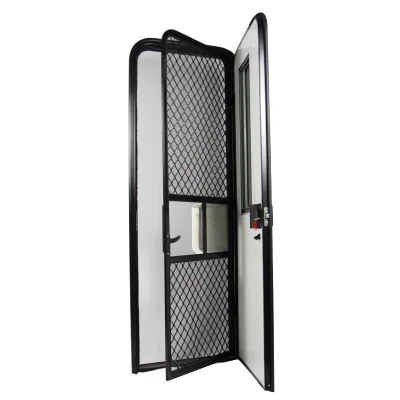
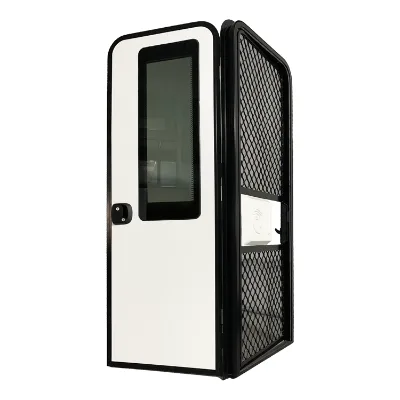
Comprehensive Sourcing Guide
Anti Insect Aluminum RV Door Sourcing Guide
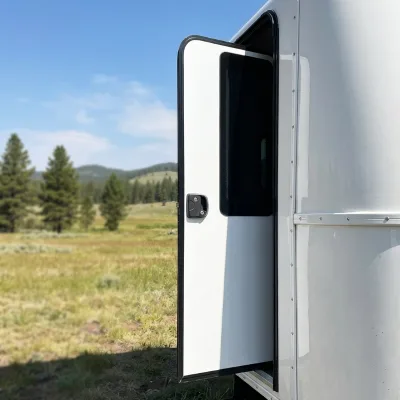
Procuring anti-insect aluminum RV doors requires careful selection of models designed for specific vehicle types, such as self-propelled RVs or trailer RVs. Buyers must verify that the product features a high-strength aluminum mesh screen door to effectively prevent insect entry while maintaining ventilation. The observed market offers units with double-layer acrylic or tempered glass options, ensuring durability against road debris and weather exposure.
Sourcing decisions should prioritize the hinge connecting method and opening type to match the vehicle's structural design. Available configurations include bolt fastening or welded joints, with opening mechanisms ranging from forward to horizontal shifting. It is critical to confirm that the seal material, whether plastic or rubber, aligns with the intended climate conditions to ensure a tight fit and prevent drafts or pest infiltration during travel.
Product Scope and Observed Listing Signals
The product scope encompasses various models like the MG19RD and MG09RD, which cater to different caravan and motorhome applications. Listings indicate a price range between 49 and 2500 USD, reflecting differences in customization levels and material thickness. Buyers should note that outer plate thickness varies significantly, with some units offering 0.70mm while others provide 3mm, directly impacting the door's rigidity and resistance to impact.
Observed listing signals reveal diverse packaging and origin details, with products originating from China, specifically Anhui. The minimum order quantity typically ranges from 1 to 10 units, allowing for flexible procurement strategies for small workshops or large fleets. Buyers must distinguish between standard sizes, such as 620x1800mm, and customized options, as the latter often involves specific processing techniques like split or integral types that affect the final assembly.
Technical Specifications to Verify
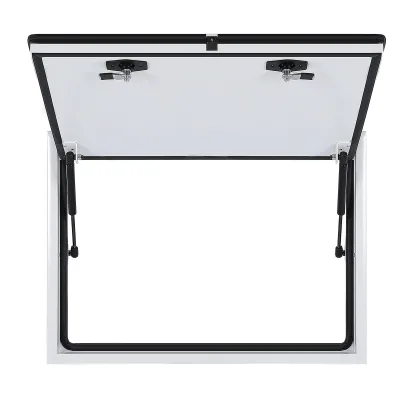
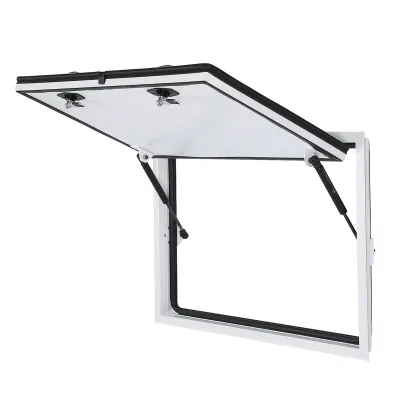
Technical verification must begin with the fitted wall thickness, which is observed to range between 35-40mm for optimal integration into RV walls. The door frame color and panel finish, often black and white respectively, should be confirmed to match the vehicle's aesthetic requirements. Additionally, the opening angle of 180 degrees is a critical specification for ensuring maximum accessibility and ease of use in tight camping spaces.
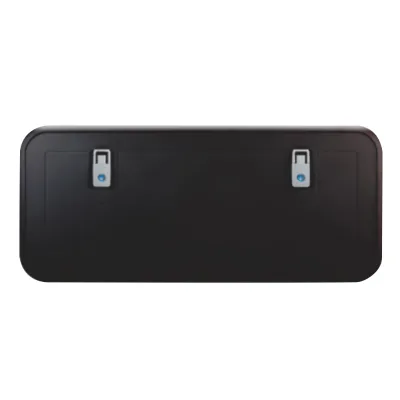
Buyers must also validate the door lock mechanism, which is typically a mechanical lock, and the presence of accessories like door stoppers or support rods. The hinge type, available as right or left, must be selected based on the vehicle's entry point configuration. Furthermore, the processing technique, whether split or integral, dictates the structural integrity and should be matched to the specific load-bearing requirements of the RV application.
Compliance and Safety Documentation
While specific certification documents are not explicitly listed in the provided facts, buyers should request evidence of material compliance for the aluminum alloy and sealing strips used. The warranty period of one year for the factory warranty serves as a baseline indicator of manufacturer confidence in the product's durability and performance. It is essential to verify that the product standard, whether custom or standard size, meets the safety expectations for road travel and structural stability.
Documentation should also confirm the installation method, which is typically fixed by screws or side screw fixed installation, ensuring secure attachment to the vehicle frame. Buyers must ensure that the door window material, whether acrylic or tempered glass, meets safety standards for impact resistance. Without explicit test results in the source data, procurement teams should demand third-party verification for glass strength and hinge load capacity to guarantee passenger safety.
Cost Drivers and Commercial Terms
Cost drivers are heavily influenced by the customization level, with custom sizes and specific processing techniques like split types often commanding higher prices. The material composition, specifically the use of aluminum alloy versus standard aluminum, also plays a significant role in the final unit cost. Buyers should analyze the net weight of 18kgs as a factor in shipping logistics, as heavier units may incur higher freight charges depending on the destination.
Commercial terms should clearly define the packing method, which varies between plywood cases, carton cases, or pallets, affecting handling and protection during transit. The observed MOQ range of 1 to 10 units allows for varied purchasing strategies, but buyers must negotiate lead times and payment terms based on the specific model ordered. Understanding the relationship between the door's complexity, such as the inclusion of air vents or decorative trims, and the final price is crucial for budget management.
Supplier Qualification and Quality Control
Supplier qualification should focus on verifying the production origin, with Anhui, China being a noted location for these units. Buyers must assess the supplier's capability to handle both standard and custom size orders, as the product standard varies from fixed dimensions to fully customized requirements. Quality control processes should include checks on the hinge connecting method to ensure that bolt fastening or welded joints are executed with precision and consistency.
Quality assurance protocols must also verify the seal material integrity, ensuring that rubber or plastic sealing strips provide a consistent barrier against insects and weather. The supplier should demonstrate a track record of providing accessories like decorative trims and door holders that are compatible with the main door unit. Buyers should request samples to test the screen door's strength and the door holder's functionality before committing to larger orders.
Long-Term Procurement Checks
Long-term procurement checks should include regular audits of the warranty fulfillment process, given the one-year factory warranty period. Buyers need to establish a clear protocol for handling defects related to the mechanical lock or hinge mechanisms, which are critical for the door's operational lifespan. Continuous monitoring of the seal material's degradation over time is necessary to ensure ongoing protection against insects and environmental elements.
Procurement teams should also track the consistency of the product model, such as the MG23RD or MG09RD, to ensure that future orders match the specifications of the initial batch. Verifying the availability of replacement parts, such as door stoppers or support rods, is essential for maintaining the fleet's operational readiness. Establishing a feedback loop with the supplier regarding field performance will help identify any recurring issues with the opening angle or installation method.
FAQs
What customization options are available for the RV door?
Custom sizes are available for this aluminum RV door to fit specific caravan or motorhome requirements. The product supports split type processing and offers various hinge types including right or left options. Buyers can select from different seal materials like plastic or rubber strips to ensure proper insulation and durability during travel.
How is the door hinge connected and what type is used?
The hinge connecting method utilizes bolt fastening and welded joints for secure attachment. This design ensures stability for forward or horizontal shifting open types. The system includes a door check with sliding friction type force and rubber spring limited power providing method to control movement safely.
Which materials are used for the door frame and seal?
The main material is aluminum alloy with a black door frame and white door panel. Sealing is achieved using either plastic or rubber sealing strips depending on the specific model configuration. The outer plate thickness varies between 0.70mm and 3mm to provide structural integrity for caravan applications.
Can the door be installed with screws or other methods?
Yes, the installation method involves fixed by screws or side screw fixed installation for secure mounting. This approach works well for fitted wall thicknesses ranging from 35mm to 40mm. The door is designed for self-propelled RVs or trailer RVs and includes accessories like door stoppers for convenience.
What warranty and accessories come with the aluminum RV door?
The product includes a one-year factory warranty covering the door hinge and main components. Standard accessories include door holders, decorative rubber strips, air vents, and high strength aluminum mesh screen doors. Optional items like support rods and decorative trims are also available to enhance functionality.
How does the door open and what is the maximum angle?
The door features a forward open type with a maximum opening angle of 180 degrees. It can also operate as a horizontal shifting door for flexible access. The design accommodates double layer acrylic glass or tempered glass windows to ensure safety and visibility while traveling in motorhomes or travel trailers.
Where is the product manufactured and what is the origin?
The product originates from China, specifically from the Anhui region. It is manufactured using aluminum alloy materials and processed via integral or split techniques. The standard size is 620x1800mm, though custom sizes are available to meet specific buyer requirements for caravan or trailer applications.